Login
Join Free
Categories
My Orders
Wish
Cart
0m³/0m³

English
English
 Русский язык
 中文
中文
How to Choose Educational Toys for Different Age Groups
2025-12-22 08:59:20
Educational toys have become a core category for many buyers across different markets. From importers and distributors to school suppliers and online sellers, demand continues to grow for toys that combine play value with learning benefits. However, sourcing educational toys is not simply about choosing products labeled as “educational.” Age suitability, skill focus, and product balance all play a critical role in long-term sales performance.
Understanding how educational toys align with different age groups helps buyers build a more reliable assortment, reduce product mismatch, and meet the expectations of both parents and institutional buyers. This guide outlines key considerations when selecting educational toys based on age, learning goals, and buyer needs.
Why Age Suitability Matters in Educational Toy Sourcing
Age grading is one of the most important yet frequently overlooked factors in sourcing educational toys. A toy that is engaging and effective for one age group may be unsuitable or even unusable for another. Buyers who ignore this risk slow-moving inventory, higher return rates, and reduced customer trust.
Educational toys are typically designed to support specific developmental stages. These include fine motor skills, language development, logical thinking, creativity, and early problem-solving. Matching toys correctly to age groups ensures that the educational value is clear and that end users can immediately understand how the product fits their needs.
For wholesale buyers, proper age segmentation also makes it easier to structure SKUs, create clearer catalogs, and present products more effectively to downstream customers.
Educational Toys for Early Childhood (Ages 3–5)
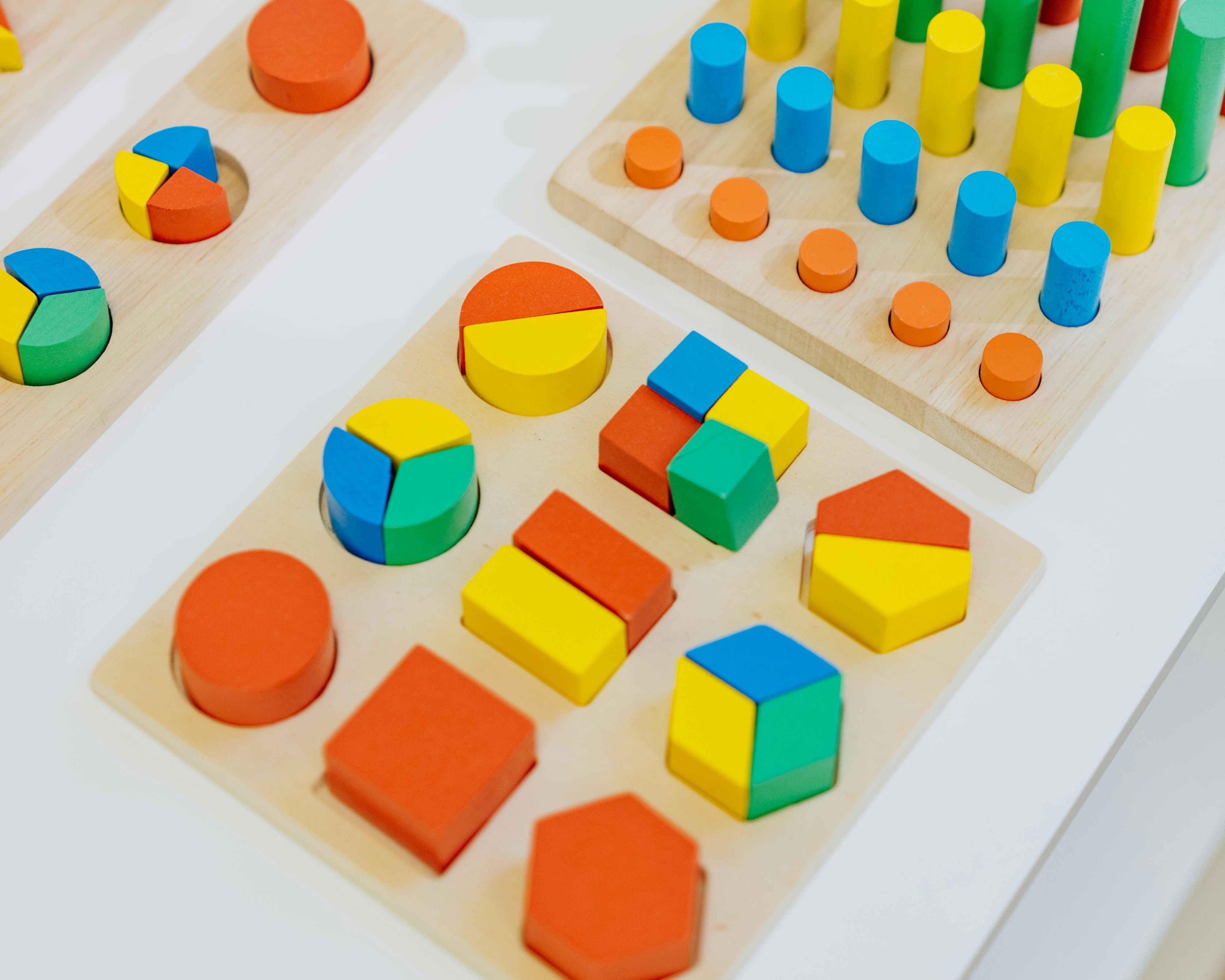
For younger children, educational toys should focus on basic skill development through simple, hands-on interaction. At this stage, children learn best through repetition, sensory exploration, and visual engagement.
Educational toys for this age group often emphasize shape recognition, color matching, basic counting, and hand-eye coordination. Common products include simple puzzles, stacking toys, early learning boards, and basic construction sets with large, safe components.
When sourcing, buyers should pay close attention to material safety, durability, and ease of use. Toys for early childhood are often used intensively, especially in preschool or daycare environments. Clear age labeling and straightforward educational messaging are also important, as parents and educators tend to make quick decisions based on visible learning outcomes.
A balanced selection in this category helps buyers serve schools, early learning centers, and entry-level retail channels without overcomplicating the product mix.
Educational Toys for Primary Ages (Ages 6–8)
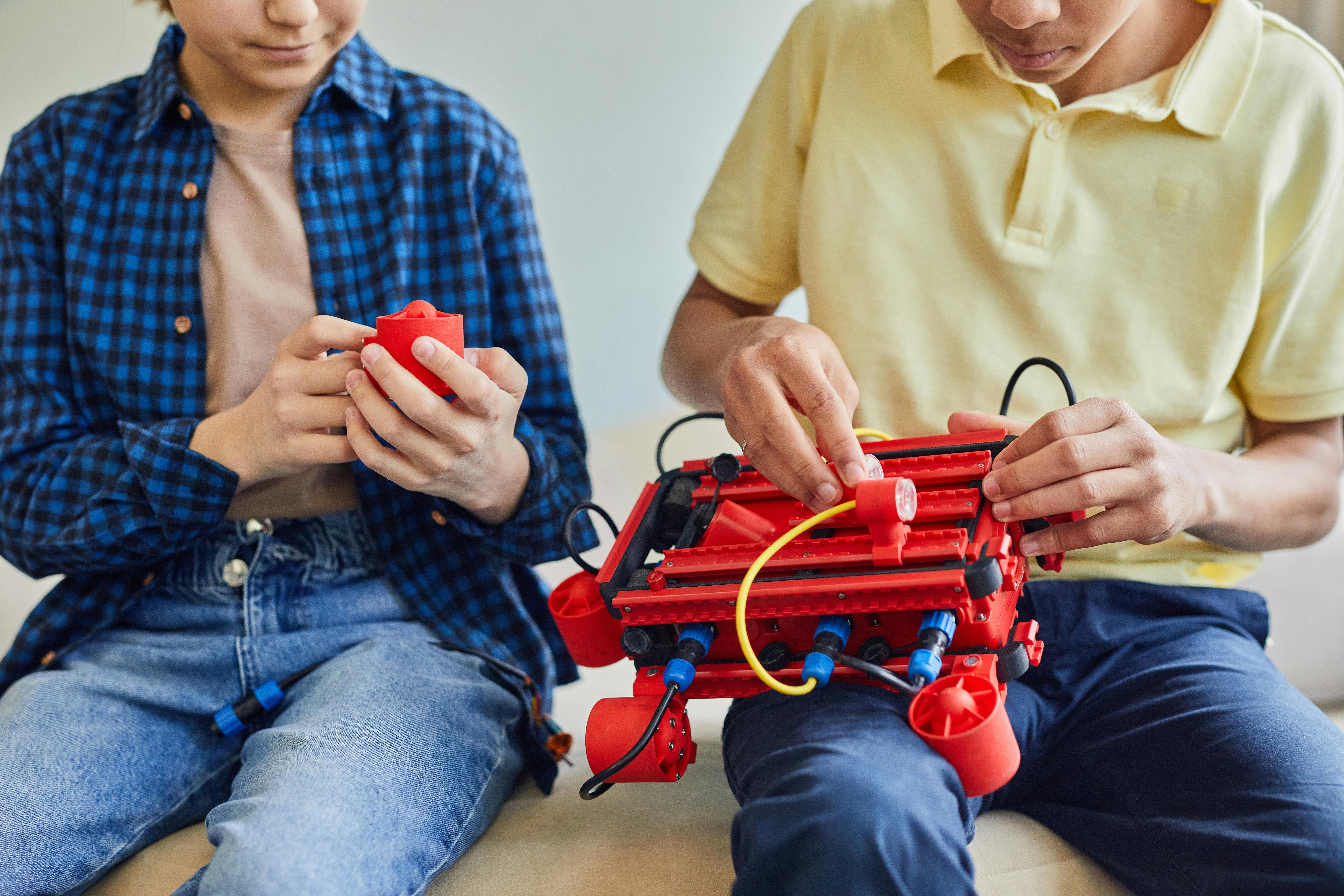
As children grow, their learning needs become more structured. Educational toys for this age group typically support early logic, problem-solving, and basic STEM concepts while still maintaining strong play value.
This is where categories such as beginner STEM kits, simple science experiments, math-based games, and introductory building sets perform well. Toys that encourage independent thinking while remaining intuitive are especially attractive to buyers serving both home and school markets.
From a wholesale perspective, this age group often represents a transition point. Buyers should look for educational toys that clearly communicate their learning objectives while remaining flexible enough to appeal to different markets. Packaging clarity, instructions, and visual demonstrations of use become increasingly important.
Sourcing educational toys for ages 6–8 with a variety of difficulty levels allows buyers to avoid offering products that feel either too basic or overly complex.

Educational Toys for Older Children (Ages 9–12)
For older children, educational toys shift toward deeper learning experiences. Products in this segment often focus on advanced STEM concepts, strategic thinking, creativity, and project-based play.
Educational toys for this age group may include more complex building systems, science experiment kits, coding-related toys, logic games, and design-oriented sets. These products tend to have higher perceived value and often justify slightly higher price points due to their complexity and replay potential.
Buyers sourcing for this segment should evaluate whether toys offer progressive challenges and long-term engagement. Products that can be expanded, customized, or used in multiple ways tend to perform better in both retail and educational settings.
Clear explanations of learning outcomes are particularly important here, as parents and educators want to understand what skills the toy develops and how it supports continued learning.
Balancing Educational Value and Play Appeal
One common mistake when sourcing educational toys is focusing too heavily on learning claims while overlooking play appeal. Educational toys that feel too instructional or rigid may struggle to gain traction, especially in consumer-facing markets.
Successful educational toys strike a balance between structured learning and open-ended play. They encourage curiosity without overwhelming children with rules or instructions. For wholesale buyers, this balance is critical, as it affects repeat purchases, word-of-mouth recommendations, and overall product longevity.
When reviewing educational toys, buyers should consider how easily a child can start playing without adult intervention, as well as whether the toy offers room for exploration beyond a single outcome.
Building a Balanced Educational Toys Assortment
A strong assortment does not rely on one single type of educational toy. Buyers benefit from offering a mix of early learning items, STEM-focused products, creative sets, and logic-based games across different age ranges.
This approach reduces dependency on trends and allows buyers to serve a wider range of customers. It also helps manage inventory more effectively, as demand for educational toys often remains stable year-round rather than peaking only during specific seasons.
Structuring assortments by age group and learning focus makes catalogs easier to navigate and supports clearer communication with distributors, retailers, and institutional buyers.
Making Informed Decisions When Sourcing Educational Toys
Educational toys continue to play an important role in the global toy market. Buyers who take the time to understand age suitability, learning objectives, and assortment balance are better positioned to build sustainable product lines.
Rather than chasing individual trends, a thoughtful approach to educational toy sourcing focuses on long-term demand, clear educational value, and reliable product structure. This mindset helps buyers reduce risk, improve customer satisfaction, and create assortments that perform consistently over time.
By aligning educational toys with the right age groups and learning goals, buyers can turn a complex category into a stable and rewarding part of their portfolio.
The Role of Experienced Suppliers in Educational Toy Sourcing
Choosing the right supplier plays a significant role in the success of educational toys programs. Experienced suppliers understand how educational concepts, safety standards, and market expectations vary across regions and buyer types.
They can also support buyers by offering structured product ranges, consistent quality, and clear documentation. This reduces sourcing risks and allows buyers to focus on assortment planning and market development rather than constant product adjustments.
Zhorya has been involved in the educational toys sector for many years, supporting buyers with a broad selection of wholesale learning toys across multiple age groups and learning categories. By maintaining a diverse product structure and focusing on practical educational value, Zhorya helps buyers build assortments that remain relevant across changing market conditions.