Login
Join Free
Categories
My Orders
Wish
Cart
0m³/0m³

English
English
 Русский язык
 中文
中文
A Complete Guide to Keychains for Global Buyers
2025-12-31 08:53:33
Keychains are often underestimated in global trade. Small in size, low in unit cost, and easy to transport, they quietly remain one of the most consistent and adaptable product categories across international markets. From gift shops and supermarkets to brand merchandising and promotional distribution, keychains continue to perform well for buyers who understand how to select, source, and position them correctly.
For global buyers, however, keychains are not a one-size-fits-all product. Market preferences vary widely by region, material standards differ across countries, and design expectations evolve quickly with consumer trends. This guide is written to help international buyers make informed decisions by breaking down keychain types, materials, quality considerations, compliance issues, and sourcing strategies—without relying on generic advice.
Whether you are expanding an existing assortment or entering the keychain category for the first time, this article will give you a structured, experience-driven overview of what matters most.
Why Keychains Remain a Strong Category in Global Trade
Keychains succeed globally because they sit at the intersection of functionality, emotional appeal, and impulse purchasing. Unlike many toy or accessory categories that depend heavily on age, gender, or seasonality, keychains cross these boundaries with ease.
From a buyer's perspective, keychains offer several structural advantages:
They have a low barrier to entry. Unit costs are manageable, minimum order quantities are flexible, and logistics risks are relatively low compared to bulky or fragile items. They are easy to localize. The same product structure can support different themes, colors, characters, or branding elements depending on the market. They are also highly modular. A keychain can be decorative, collectible, functional, or playful—or combine all of these in one small product.
Most importantly, keychains are rarely bought in isolation. They are often added to baskets alongside other products, which makes them valuable for improving average order value without demanding extra shelf space.
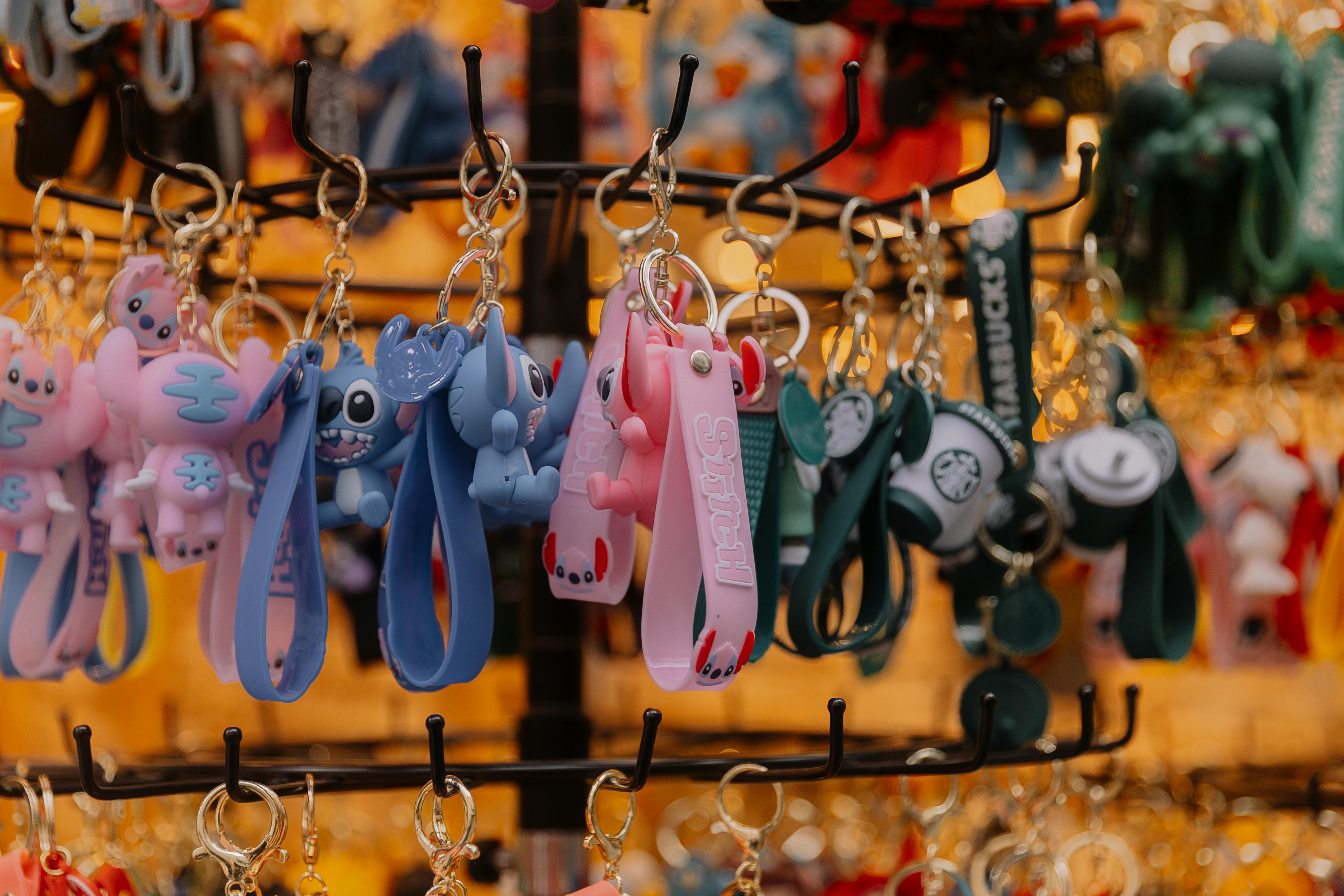
Understanding the Main Types of Keychains
Before focusing on materials or compliance, buyers should first understand how keychains are categorized by function and user experience rather than by appearance alone.
Decorative keychains are designed primarily for visual appeal. These include character designs, themed shapes, seasonal motifs, and aesthetic accessories used on keys, bags, or backpacks.
Plush keychains combine softness and emotional value. They are especially popular in youth markets, gift stores, and lifestyle retailers, where tactile experience plays an important role in purchase decisions.
Functional keychains integrate a practical feature. Examples include mini tools, lights, whistles, or mechanical elements. These tend to perform well in value-driven or utility-focused markets.
Playable or novelty keychains blur the line between toy and accessory. Small games, movable parts, or interactive designs turn a keychain into a mini-toy, increasing engagement and perceived value.
Keychain Materials and What They Signal to Buyers
Material choice affects not only cost but also durability, safety, and market positioning. Different regions respond differently to material cues, so buyers should align material selection with both consumer expectations and regulatory standards.
Metal keychains often convey durability and premium value. They are commonly used in souvenir markets and adult-focused retail but require attention to weight and surface finishing to avoid damage during shipping.
PVC and soft rubber keychains are among the most versatile options. They allow for vivid colors, molded details, and creative shapes while remaining lightweight and cost-efficient. These materials are widely accepted across international markets when produced with compliant formulations.
Plush and textile keychains emphasize comfort and emotional appeal. They are popular in markets where gifting and personalization matter, but they require stricter quality control related to stitching, filling, and attachment strength.
Plastic keychains, including ABS or acrylic, offer design flexibility and cost control. Transparency, printed graphics, and layered effects are commonly used to differentiate products in competitive markets.
For buyers sourcing at scale, material decisions should always balance aesthetic impact, safety compliance, and long-term durability.
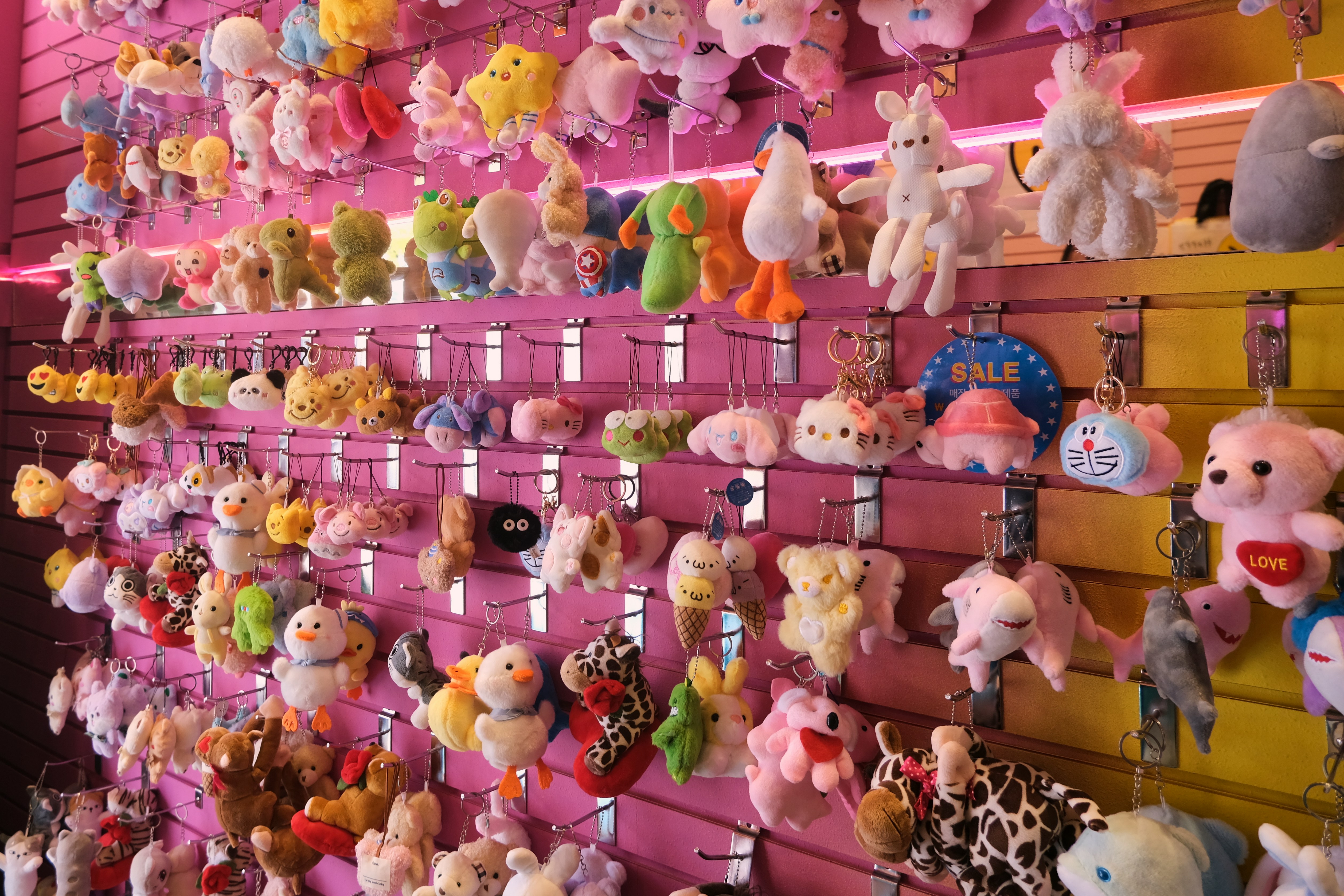
Quality Standards and Compliance: What Global Buyers Must Check
One of the most common mistakes new buyers make is treating keychains as "low-risk" products that do not require rigorous quality checks. In reality, keychains often fall under toy, accessory, or general consumer product regulations depending on their design and target audience.
Buyers should evaluate attachment strength carefully. Rings, chains, and connectors must withstand repeated pulling and twisting, especially for products intended for children or bag accessories.
Surface finishing is equally important. Sharp edges, unstable coatings, or low-quality plating can result in returns or regulatory issues. Smooth finishing and consistent color application are non-negotiable for export markets.
Material safety should always be documented. Even when keychains are not sold as toys, many markets still expect compliance with chemical safety standards, particularly for PVC, coatings, and textiles.
Packaging also matters. Individual packaging should protect the product while clearly presenting material and usage information where required.
Experienced buyers treat keychains with the same compliance discipline as larger consumer products, which significantly reduces post-sale risk.
How to Structure a Profitable Keychain Assortment
Rather than listing hundreds of unrelated designs, strong assortments are built around use cases and themes.
Grouping keychains by material, function, or target audience helps buyers create clearer merchandising stories. For example, plush keychains for gift zones, functional keychains for checkout displays, and novelty keychains for youth-focused areas.
Balanced assortments also mix evergreen designs with a limited number of trend-driven items. This approach stabilizes revenue while allowing room for experimentation.
For buyers managing multiple markets, regional differentiation is key. What performs well in Europe may differ from preferences in Southeast Asia or South America, even when the core product remains similar.
Sourcing Strategy: How Experienced Buyers Reduce Risk
Successful global buyers rarely select keychains based on price alone. Instead, they evaluate suppliers on range depth, production consistency, and communication clarity.
A wide assortment allows buyers to test multiple styles within a single order. This reduces dependency on any single design and improves market feedback collection.
Consistency matters more than novelty. Buyers should prioritize suppliers that can reproduce quality reliably across batches rather than offering endless new designs with uneven execution.
Customization options are valuable but should be realistic. Logo placement, color changes, and packaging adjustments are typically more efficient than full structural redesigns, especially for repeat orders.
Finally, clear documentation and responsive communication often indicate a supplier's long-term reliability more accurately than pricing spreadsheets.
Why Many Global Buyers Choose Zhorya
When it comes to sourcing keychains at scale, Zhorya has become a long-term partner for buyers across different regions—not because of a single product, but because of structural strengths.
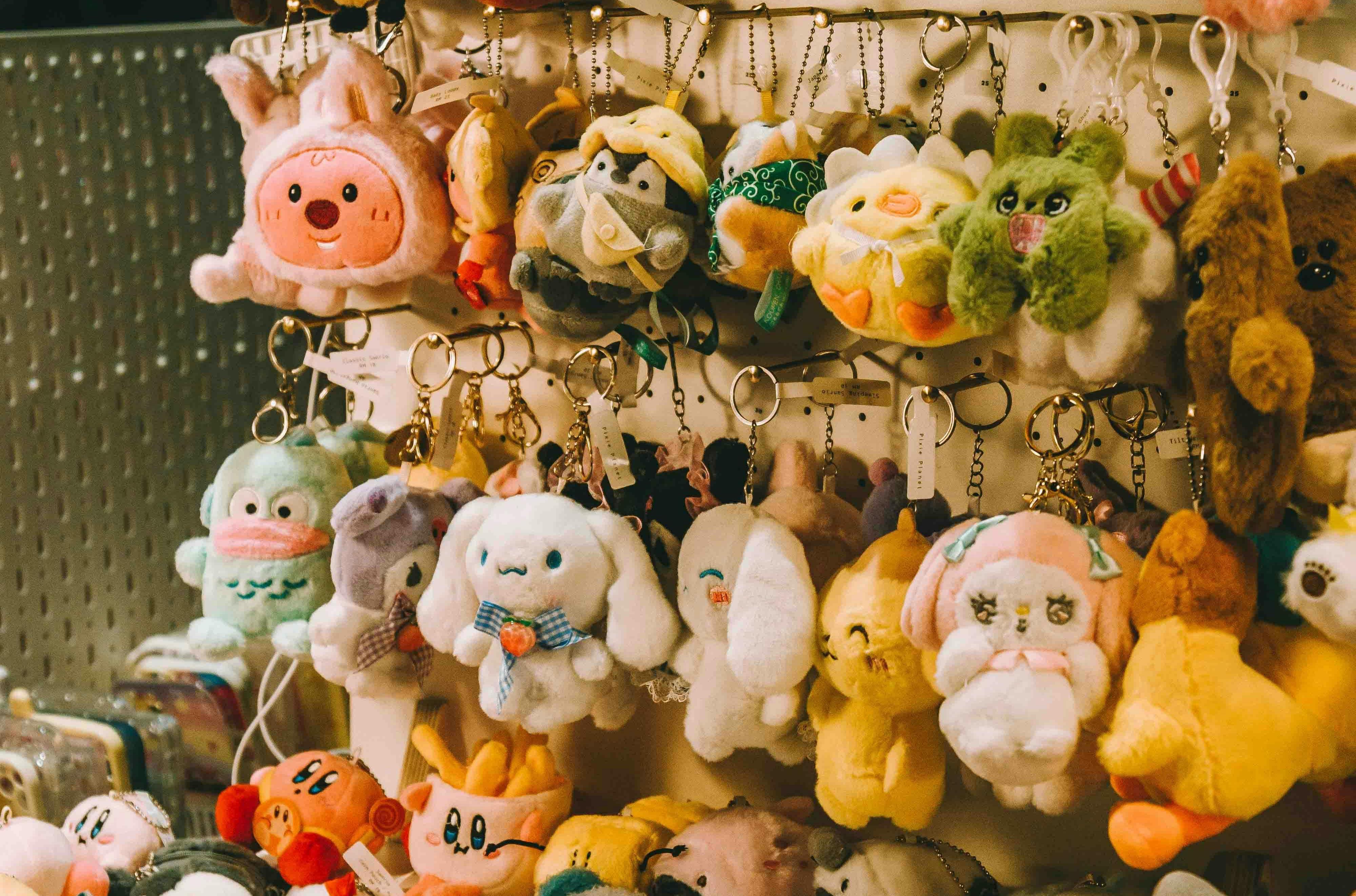
Zhorya offers a deep and continuously updated keychain assortment, covering plush styles, novelty designs, functional mini-toys, and decorative accessories. This allows buyers to build flexible assortments without relying on multiple suppliers.
Equally important is production stability. Designs are supported by consistent manufacturing processes, which helps ensure that repeat orders match approved samples in both quality and appearance.
Zhorya also understands the needs of global buyers, from packaging formats to compliance awareness and clear product categorization. This reduces communication friction and speeds up purchasing decisions.
For buyers who value reliability, variety, and long-term cooperation, Zhorya is more than a supplier—it is a scalable sourcing solution in the keychain category. For those exploring a structured, export-ready keychain assortment, view Zhorya's full selection here: https://www.zhorya.com/category/19-plastics-toys/14-other-toys/81-key-chain