Login
Join Free
Categories
My Orders
Wish
Cart
0m³/0m³

English
English
 Русский язык
 中文
中文
Plush Toy Trends: Unique, Emotional Designs for Gen Z & Millennial Buyers
2026-01-04 09:07:39
The global plush toy market is undergoing a quiet but meaningful transformation. Once dominated by classic teddy bears and soft animal replicas, today's plush toys are increasingly defined by distinctive design, strong personality, and emotional resonance. This shift is largely driven by younger consumers—particularly Gen Z and young Millennials—who view plush toys not merely as children’s items, but as emotional companions, decorative statements, and extensions of personal identity.
Understanding this trend is essential for brands, retailers, and buyers who want to stay relevant in a highly competitive market. Plush toys are no longer purchased only for play; they are chosen for how they feel, what they represent, and how well they connect emotionally with the buyer.
The Rise of Emotional Value in Consumer Behavior
In recent years, emotional value has become a central factor in purchasing decisions across many industries, and plush toys are no exception. Younger consumers are growing up in a fast-paced, digitally saturated environment. As a result, they actively seek comfort, familiarity, and emotional connection through physical products.
Plush toys provide a tangible sense of warmth and reassurance. However, emotional value today goes far beyond softness or cuteness. Buyers are drawn to toys that reflect moods, personalities, or even subtle imperfections—traits that make them feel more human and relatable.
Rather than choosing a generic plush animal, many consumers now prefer designs that feel expressive: a slightly grumpy face, an exaggerated shape, or an unexpected color combination. These features give the toy character, allowing buyers to form a deeper emotional attachment.
Why Unique Designs Matter More Than Ever
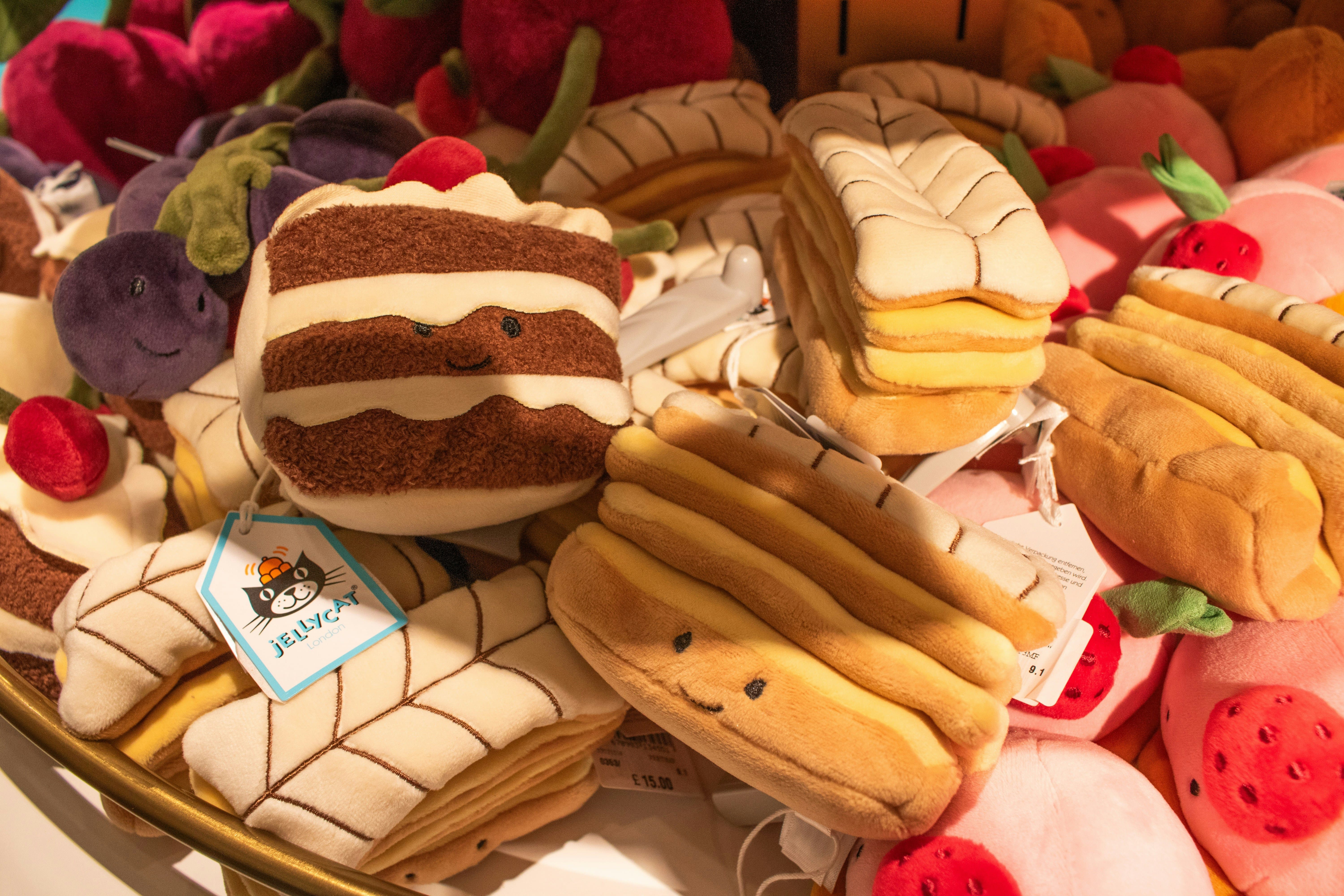
One of the most visible trends in plush toys is the move away from standardized designs. Traditional symmetry and "perfect" proportions are being replaced by intentional irregularity and bold creativity.
Unique plush toys stand out in several ways:
-
Unconventional silhouettes that immediately catch attention
-
Unexpected themes, such as abstract creatures or hybrid characters
-
Strong visual identity, often inspired by art toys, illustrations, or pop culture
Younger consumers are highly visually driven and exposed to constant content through social media. To earn attention, plush toys must feel fresh and instantly recognizable. A unique design helps a product stand out both online and on physical shelves, making it more shareable and memorable.
This is particularly important in markets where plush toys are purchased as gifts. Buyers want something that feels special and different—not a product that looks identical to dozens of others.
Personality-Driven Plush Toys: From Objects to Companions
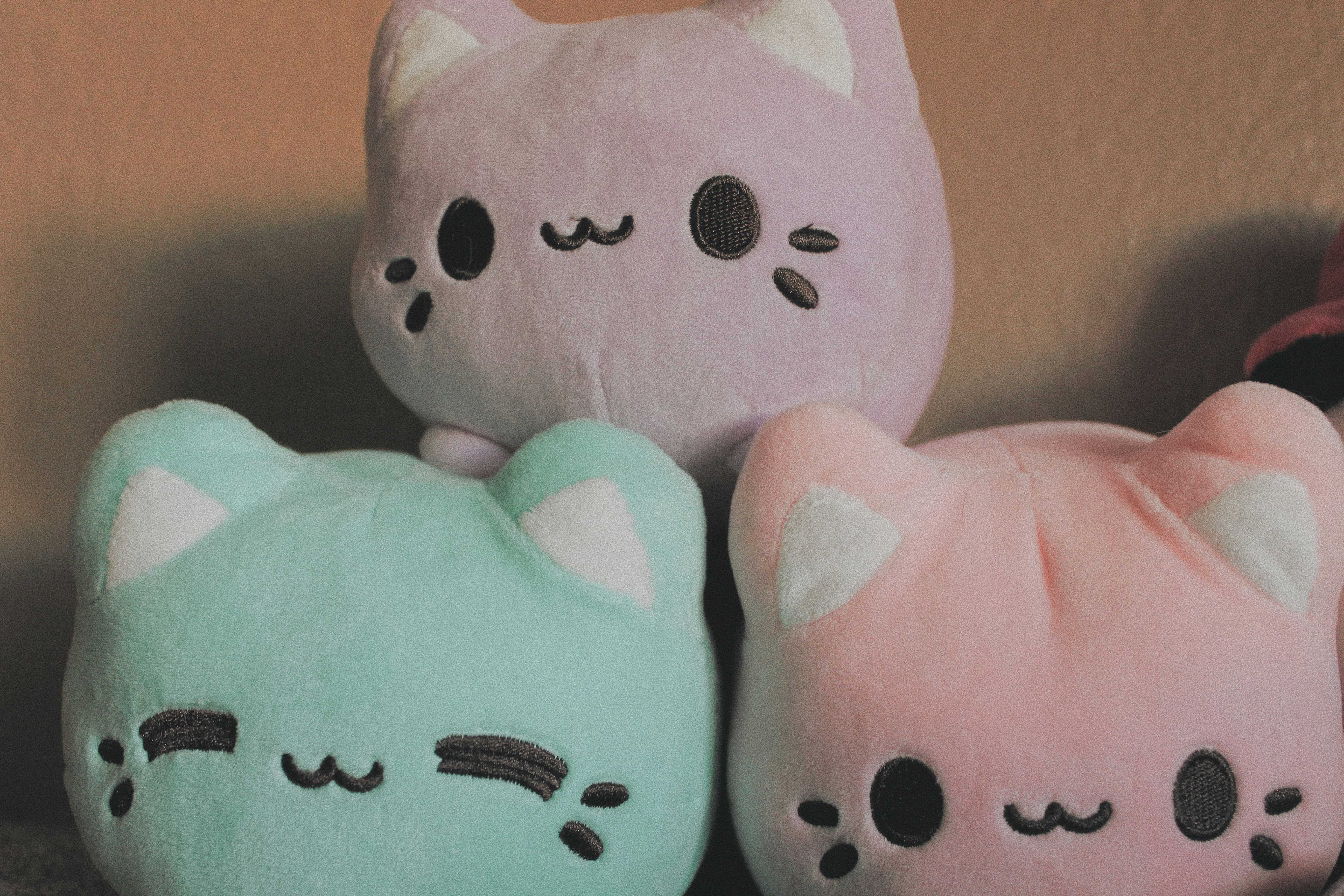
Another defining trend is the rise of personality-driven plush toys. These toys are designed with clear emotional expressions or implied backstories, even if they are not explicitly stated.
A plush toy might appear shy, sleepy, sarcastic, or slightly rebellious. These subtle cues allow consumers to project their own feelings onto the toy, turning it into a companion rather than a static object.
This trend aligns closely with how younger generations communicate. Emojis, stickers, and reaction images are central to digital expression. Plush toys that visually communicate emotion feel familiar and emotionally accessible, bridging the gap between digital culture and physical products.
Plush Toys as Lifestyle and Decorative Items
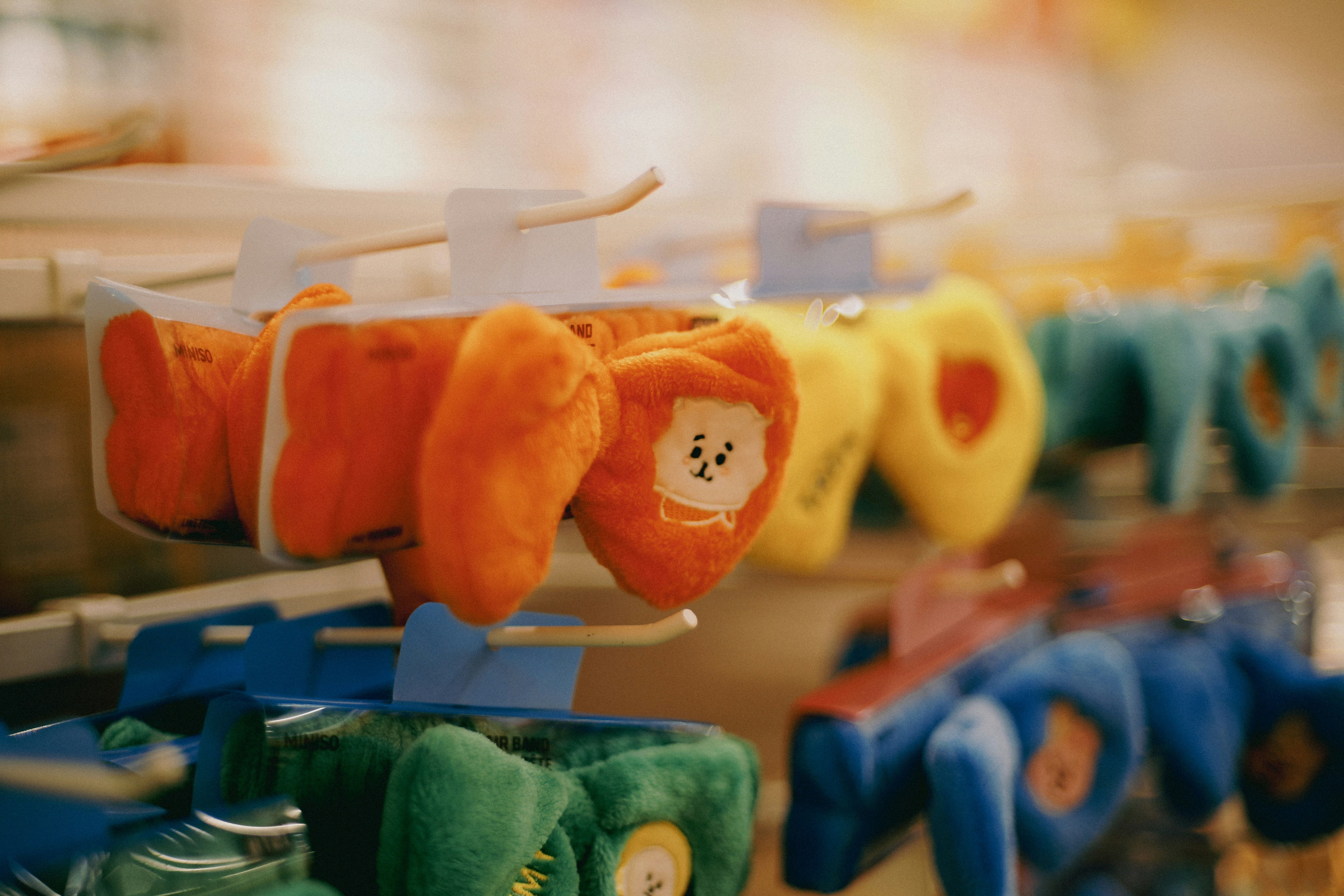
For many young adults, plush toys are no longer confined to children's bedrooms. They appear in dorm rooms, offices, sofas, and even car interiors. In these settings, plush toys function as decorative lifestyle items that express personal taste.
Design-focused plush toys often complement modern interiors, using curated color palettes, minimalist shapes, or artistic styling. Instead of being hidden away, they are displayed proudly as part of a living space.
This shift has expanded the target audience for plush toys. Buyers are no longer limited to parents purchasing for children. Students, young professionals, and collectors are now a significant part of demand, influencing both design direction and pricing strategies.
Collectibility and Limited-Style Appeal
Uniqueness also drives collectibility. When plush toys feature distinctive styles or thematic consistency, consumers are more likely to purchase multiple items within the same line.
Limited designs, seasonal themes, or variations in facial expression and color encourage repeat purchases. Even without being explicitly labeled as "limited editions," plush toys that feel uncommon naturally create a sense of scarcity.
For buyers and retailers, this opens opportunities to build curated selections rather than relying on single best-selling items. A thoughtfully designed plush collection can maintain long-term appeal while continuously attracting attention.
Quality, Safety, and Authenticity Still Matter
While design and emotional value are crucial, young consumers are also more informed and selective than ever. They care about material quality, safety standards, and authenticity.
Softness alone is not enough. Stitching quality, fabric durability, and finishing details all influence perception. A plush toy that looks expressive but feels poorly made will quickly lose credibility.
Transparency also plays a role. Buyers want to trust that products are responsibly produced and suitable for their intended audience. This emphasis on quality reinforces the importance of experienced suppliers who understand international standards and long-term market expectations.
Social Media and the Amplification of Plush Trends
Social platforms have significantly accelerated plush toy trends. A visually distinctive plush toy can gain rapid exposure through unboxing videos, room tours, or casual lifestyle content.
When a plush toy appears repeatedly in user-generated content, it becomes part of a broader aesthetic or emotional narrative. This organic visibility reinforces the idea that plush toys are not just products, but emotional symbols within daily life.
Designs that photograph well, convey mood instantly, and feel authentic perform especially well in this environment.
What This Trend Means for Buyers and Brands
For buyers sourcing plush toys, the message is clear: emotion and individuality drive demand. Products that rely solely on traditional designs may struggle to stand out in a crowded market.
Successful plush toy selections today are built around:
-
Distinct visual identity
-
Clear emotional expression
-
Consistent quality and safety
-
Adaptability across age groups and use scenarios
Understanding these elements allows buyers to select products that resonate across cultures and markets, rather than relying on short-term trends.
Choose Zhorya as Your Plush Toy Supplier for Emotion-Driven Designs
As plush toy trends continue to move toward emotional expression, distinctive character design, and higher perceived value, choosing the right supplier is a strategic decision. If your goal is to source plush toys that resonate with younger consumers and stand out in competitive markets, choosing Zhorya as your plush toy supplier is a practical and forward-looking choice.
Zhorya specializes in plush toys designed for modern consumer preferences—products that go beyond basic softness to deliver clear personality, visual impact, and emotional appeal. Our product development focuses on toys that feel expressive and memorable, making them suitable for gift markets, lifestyle retail, promotional distribution, and long-term assortment building.
By choosing Zhorya, you gain access to a wide range of plush toy styles that reflect current market trends, from character-driven designs to creatively shaped plush figures that appeal to Gen Z and young adult buyers. We support buyers who need consistency, scalability, and the flexibility to adapt designs for different markets without sacrificing quality or safety standards.
More importantly, Zhorya understands how plush toys perform commercially. We help buyers select designs that are not only visually distinctive, but also market-ready, with reliable production support and practical customization options. This allows you to respond quickly to trend changes while maintaining stable sourcing and product quality.
If you are looking to develop or expand a plush toy range that delivers higher emotional value and stronger consumer engagement, choose Zhorya as your long-term plush toy supplier—and build collections that connect with today's buyers on a deeper level.