Login
Join Free
Categories
My Orders
Wish
Cart
0m³/0m³

English
English
 Русский язык
 中文
中文
Toy Assortment Strategies Beyond Chasing Trends
2025-12-18 08:59:21
For many buyers, the toy market can seem dominated by a few "trending" styles. Online discussions and sales reports often highlight what is popular now, giving the impression that successful sourcing is simply about chasing the hottest items.
Following current trends can indeed capture attention and sales. However, relying solely on trends can be risky. The market is far more diverse, and success depends on variety, timing, and balance. Understanding these elements helps buyers manage inventory effectively, respond to market changes, and maintain smooth operations. This article is designed to help buyers see the bigger picture and make smarter sourcing decisions.
The Appeal of Following Trends
Trends naturally draw attention because they reflect what consumers are excited about right now. Following trends can help buyers capture short-term demand, create buzz, and test innovative products in the market. Trend-driven items often sell quickly and can provide valuable insights into shifting consumer preferences. By understanding which trends resonate with their target audience, buyers can make informed decisions and identify potential opportunities for growth.
However, while trends can boost visibility and sales, relying on them exclusively can introduce challenges, which we explore in the next section.
The Risk of Focusing Only on Trends
It is natural for buyers to start by asking: Which products are in demand right now? While trend awareness is useful, focusing exclusively on trending items creates several challenges.
Products that are popular today may decline quickly. High competition can slow sales and force markdowns. Narrow selection strategies also increase pressure on inventory decisions, making operations less predictable.
Instead of chasing every trend, buyers benefit from building a balanced assortment that can perform consistently across seasons and market shifts.
Understanding the Full Scope of the Market
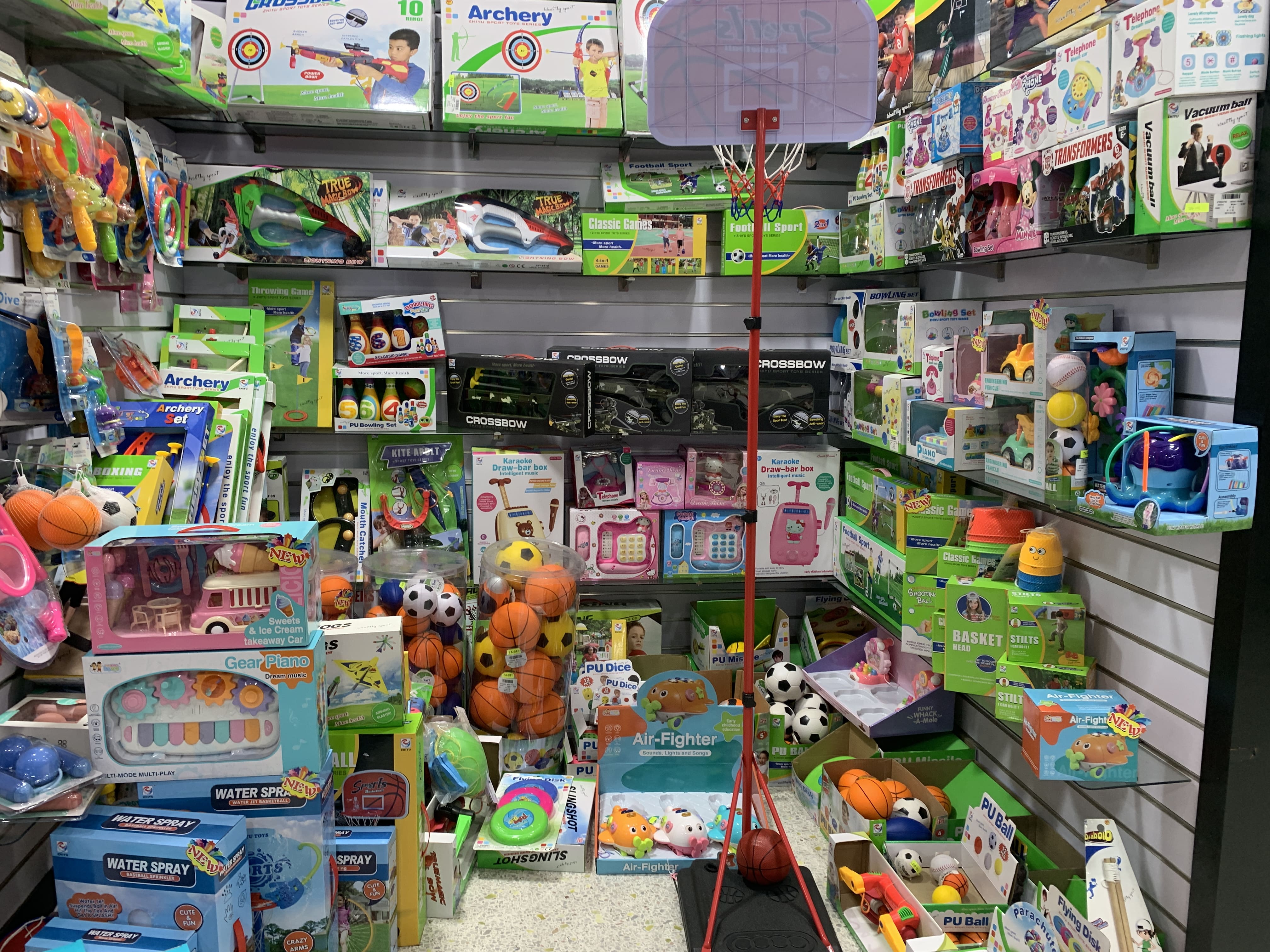
Toys serve multiple purposes: some support learning and development, others spark creativity, while some are gifts or tailored to certain age ranges and price points. Buyers must consider these differences when planning their portfolios.
A well-planned product mix ensures that when one product slows, others continue to generate revenue. By connecting market understanding with strategic assortment planning, buyers can shift from reactive sourcing to a more proactive and resilient approach.
How a Thoughtful Product Mix Reduces Risk
A structured product mix acts as a safety net for buyers. Not every product needs to be a bestseller, but the overall portfolio should provide predictable results.
Key elements of a balanced assortment include:
-
Core products with steady, year-round demand
-
Seasonal items timed for market peaks
-
Trend-driven products in controlled quantities
-
Multiple price points to appeal to different customers
This combination of stability and flexibility allows buyers to respond to changing demand without constant scrambling, supporting efficient and low-risk sourcing.
Adapting Assortments for Different Markets
Even with a well-balanced product mix, buyers must account for regional differences. The same products can perform very differently across markets due to variations in pricing expectations, packaging preferences, and safety standards. A flexible assortment allows buyers to make adjustments for each market without overhauling their entire portfolio. By shifting focus within an existing range, businesses can respond effectively to local demand while minimizing risk. This adaptability is particularly important for companies sourcing across multiple regions or sales channels, ensuring consistent performance while staying attuned to regional needs.
Building Long-Term Stability Through a Simple Strategy
Adjusting products for different markets helps meet short-term needs, but long-term success requires a clear plan. Buyers benefit from a product mix that balances steady, reliable items with room for flexibility. This ensures inventory stays manageable, sales remain predictable, and decisions can be made with confidence.
A simple strategy combines two elements: stability and adaptability. Stability comes from core products that sell consistently and careful planning for seasonal peaks. Adaptability allows buyers to adjust for local preferences, test new products, or respond to changing demand without disrupting the main portfolio.
With this approach, businesses can maintain smooth operations, reduce surprises, and grow steadily. When one product slows in a particular region, others can continue performing, giving buyers time and space to adjust. By keeping the strategy simple but thoughtful, sourcing becomes easier, operations stay efficient, and long-term growth becomes more reliable.
The Role of Suppliers in Supporting Buyers
Even with a well-planned product mix, the success of sourcing depends heavily on the supplier. Some suppliers focus only on popular or trending items, which may work in the short term but can leave gaps in a portfolio when demand shifts.
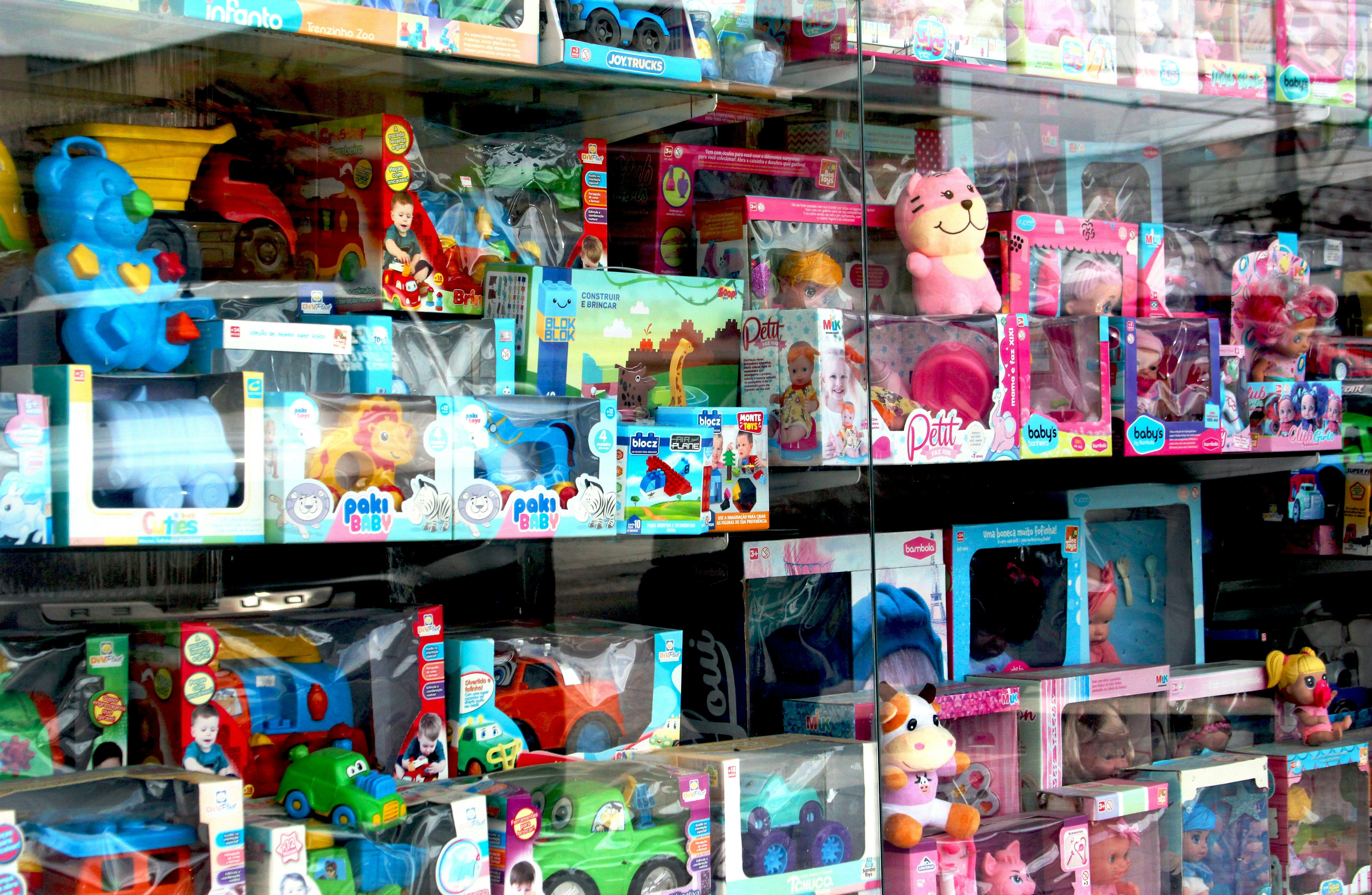
Suppliers who structure assortments thoughtfully—covering multiple categories, price tiers, and timelines for availability—help buyers plan more effectively. This kind of support provides clarity, ensures balanced stock levels, and reduces operational stress, making day-to-day sourcing and inventory management much smoother.
How Zhorya Supports Buyers
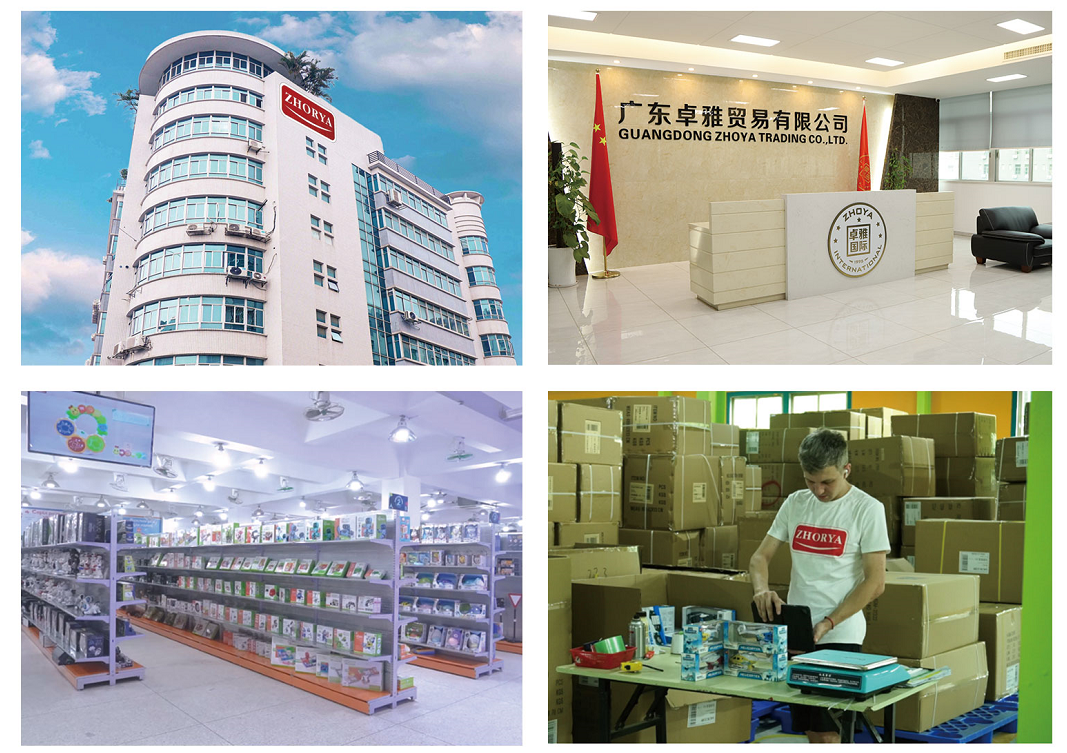
For buyers seeking reliable support in managing a diverse and balanced toy portfolio, working with a supplier like Zhorya can make a significant and meaningful difference. With decades of experience in toy manufacturing and wholesale, Zhorya offers a wide range of high-quality and innovative products across multiple categories and price points, allowing buyers to maintain a well-structured assortment. Their thoughtful approach to product availability and market trends helps clients plan effectively, reduce operational stress, and ensure smooth, consistent sourcing—making them a trusted and dependable partner for businesses navigating the complexities of the global toy market.
Conclusion
Successful toy sourcing is about more than following the latest trends—it requires a strategic balance of variety, timing, and adaptability. By building a thoughtful product mix that combines stable core items with carefully selected trend-driven products, buyers can reduce risk, respond to market changes, and maintain smooth operations. Regional differences and seasonal peaks further highlight the need for flexibility within a well-structured assortment.
Suppliers play a crucial role in this process. Partners who provide diverse, thoughtfully organized portfolios make it easier for buyers to plan, manage inventory, and maintain consistent sales. Working with an experienced supplier like Zhorya ensures access to a wide range of products, competitive pricing, and reliable support, helping businesses navigate the complexities of the toy market with confidence and long-term stability.